
How Conveyors Improve Warehouse Efficiency: Tips, Metrics, and Best Practices
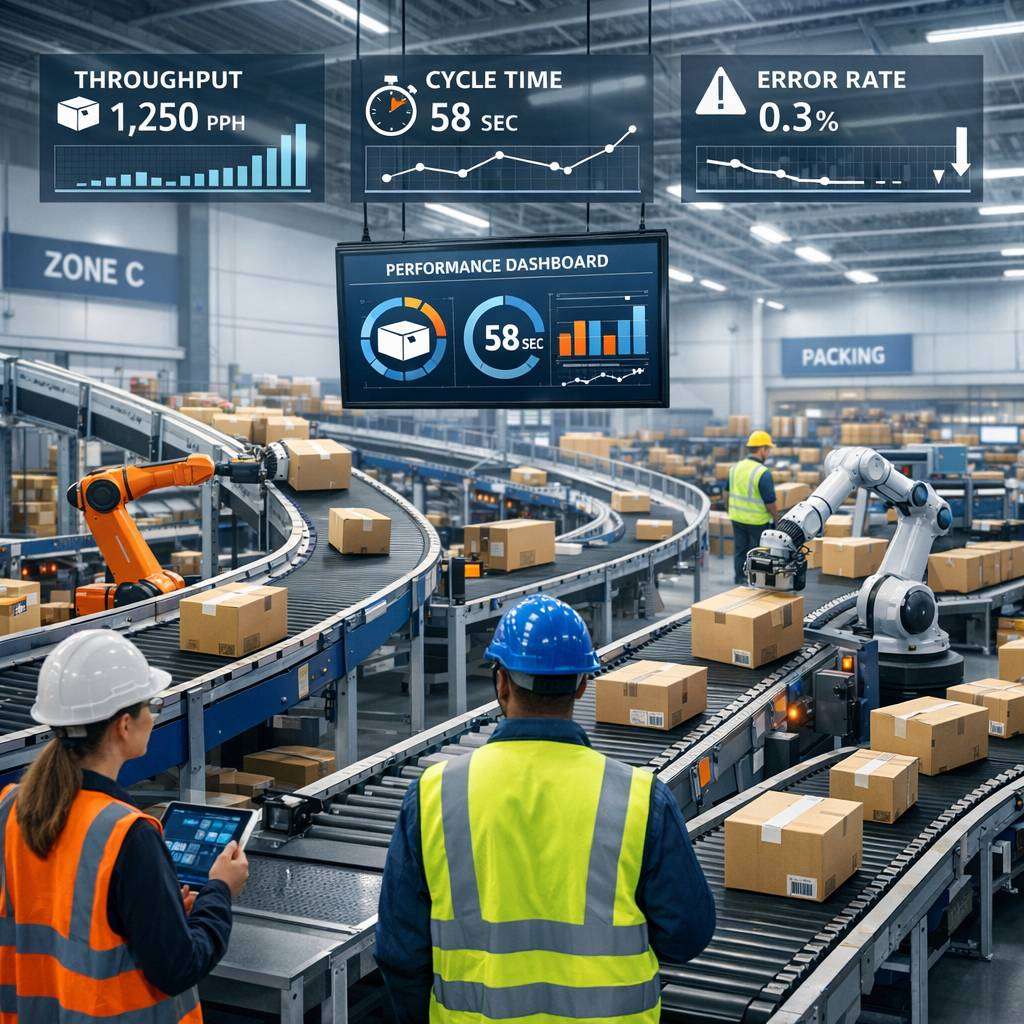
IntroductionWarehouse operations are the heartbeat of modern retail and e-commerce, and efficient material handling can make the difference between on-time deliveries and delayed shipments. Conveyor systems are a proven way to streamline movement, reduce manual handling, and boost throughput. In this guest post, we’ll explore practical tips for implementing conveyors, key metrics to monitor, and best practices to ensure your investment delivers lasting value. Written from an expert perspective with a friendly, approachable tone, this guide uses British English and real-world checkpoints to help you optimise your warehouse workflow.
What a conveyor system can do for your warehouseConveyors are not just about moving items from A to B; they optimise space, balance workloads, and improve accuracy. By creating a continuous flow of goods, conveyor systems minimise bottlenecks at picking, packing, and sortation points. They also reduce the risk of injuries from heavy lifting and repetitive manual handling, contributing to a safer working environment. When designed correctly, a system can scale with your business, handling seasonal peaks and expanding SKU counts without a corresponding rise in labour intensity.
Choosing the right type of conveyorThe first step is to match the conveyor type to your operational needs. Common options include:
- Belt conveyors: Versatile for conveying a wide range of goods, from boxes to totes. Ideal for gentle handling and long transfers.
- Roller conveyors: Efficient for manual sortation and line-side feeding; great for powered and gravity-driven layouts.
- Chain conveyors: Robust for heavy or awkward loads; appropriate for high-capacity transfer segments.
- overhead conveyors: Useful in space-constrained environments to keep floors clear and reduce congestion.
- customised modular systems: Adaptable layouts that can be reconfigured as processes change.
Always assess load weight, dimensions, product fragility, and required transfer speed when specifying or purchasing a new conveyor system.
Key metrics to track for conveyor efficiencyTo demonstrate value and guide continuous improvement, monitor these core metrics:
- Throughput: Units moved per hour or per shift. This shows overall system capacity and helps identify underutilised segments.
- Travel time: The average time a product takes to move from one station to another. Shorter times indicate smoother flow.
- Utilisation: The percentage of available operating time a conveyor system is productive. High utilisation signals effective asset use but watch for signs of overlanded wear.
- Handling accuracy: The rate of correct item routing and sorting. Track misroutes and mispicks to drive corrective actions.
- Uptime and maintenance window: Availability percentage and planned downtime. Critical for scheduling and preventing unplanned outages.
- Labour productivity: Output per labour hour, comparing before and after conveyor implementation to quantify efficiency gains.
- Injury rate and safety incidents: Safety metrics help validate the non-tangible benefits of automation and ergonomic improvement.
Best practice: design with flow in mindA successful conveyor layout starts with a precise plan of the physical flow of goods. Consider these design principles:
- Map the current process: Document each step from receiving to dispatch, noting where hands-off points occur and where congestion tends to form.
- Minimise lifting and handling: Place loading points at waist height, use gravity-fed feeds where feasible, and group similar processes to reduce travel distances.
- Create logical zones: Separate receiving, put-away, picking, packing, and dispatch into clearly defined zones with dedicated conveyors or belts to reduce cross-traffic and confusion.
- Plan for scalability: Use modular, adjustable conveyor sections that can be reconfigured as product mix or volumes change.
- Integrate with automation: Ensure compatibility with sorters, scanners, ERP/WMS interfaces, and automatic label printers to maintain end-to-end visibility.
Tips for implementing and operating conveyor systems
- Start with a pilot area: Implement in a single high-impact zone (e.g., incoming goods or picking lane) to validate your design and gather real data before a full roll-out.
- Align with WMS and sortation: Ensure your software systems accurately reflect physical flows, and that the conveyor network is mapped in the WMS for real-time tracking.
- Prioritise ergonomics: Position controls and emergency stops accessibly; consider gentle-start/stop features to reduce product damage.
- Use standardised containers: Uniform totes or boxes improve compatibility with rollers, belts, and sensors, reducing jams and misfeeds.
- Implement a clear maintenance regime: Regular inspections, preventive maintenance, and proactive spare-part stocking minimise downtime.
Best practice: control systems and data captureTo maximise return on investment, couple your conveyors with robust control systems and data capture:
- Sensing and feedback: Photoelectric sensors, load cells, and barcode or RFID scanners ensure precise item tracking and flow control.
- Real-time visualisation: Dashboards that show live throughput, bottlenecks, and asset health help supervisors prioritise actions.
- Alarms and safety interlocks: Clear audible/visual alerts and interlocks protect workers and prevent damage to goods or equipment.
- Data-driven continuous improvement: Periodically review the collected metrics to identify underperforming zones and trial small, incremental changes.
Common pitfalls to avoid
- Over-automation without flow validation: Implement automated elements only after validating the flow with a human-in-the-loop approach.
- Poor maintenance planning: Inadequate maintenance leads to unexpected downtime; schedule regular checks and keep a parts library.
- Inflexible layouts: Rigid designs struggle to accommodate product mix changes; favour modular and reconfigurable solutions.
- Underestimating safety: Ensure risk assessments cover all stages of the conveyor network, with proper guards and training.
Measuring success post-implementationTo prove value, compare pre- and post-installation metrics across throughput, accuracy, and labour productivity. Conduct periodic audits, gather operator feedback, and assess energy consumption. The best conveyors deliver more than speed; they deliver reliability, improved accuracy, and safer working conditions.
Final thoughts for partners and teamsWhen you invest in conveyor systems, you’re not just buying equipment—you’re shaping a better working environment and a more predictable supply chain. Collaborate with experienced integrators, maintain open channels with operators, and keep data-driven reviews at the heart of your programme. With thoughtful planning, ongoing measurement, and a culture of continuous improvement, conveyors can deliver meaningful gains in warehouse efficiency and customer satisfaction.
Conveyors streamline material handling, improving efficiency and throughput across manufacturing and distribution spaces. With reliable performance, they reduce manual labor and boost safety by automating repetitive tasks. For durable, cost-effective options, explore conveyors and discover configurations tailored to your workflow. From belt to roller systems, the right setup elevates productivity and consistency throughout your operation.